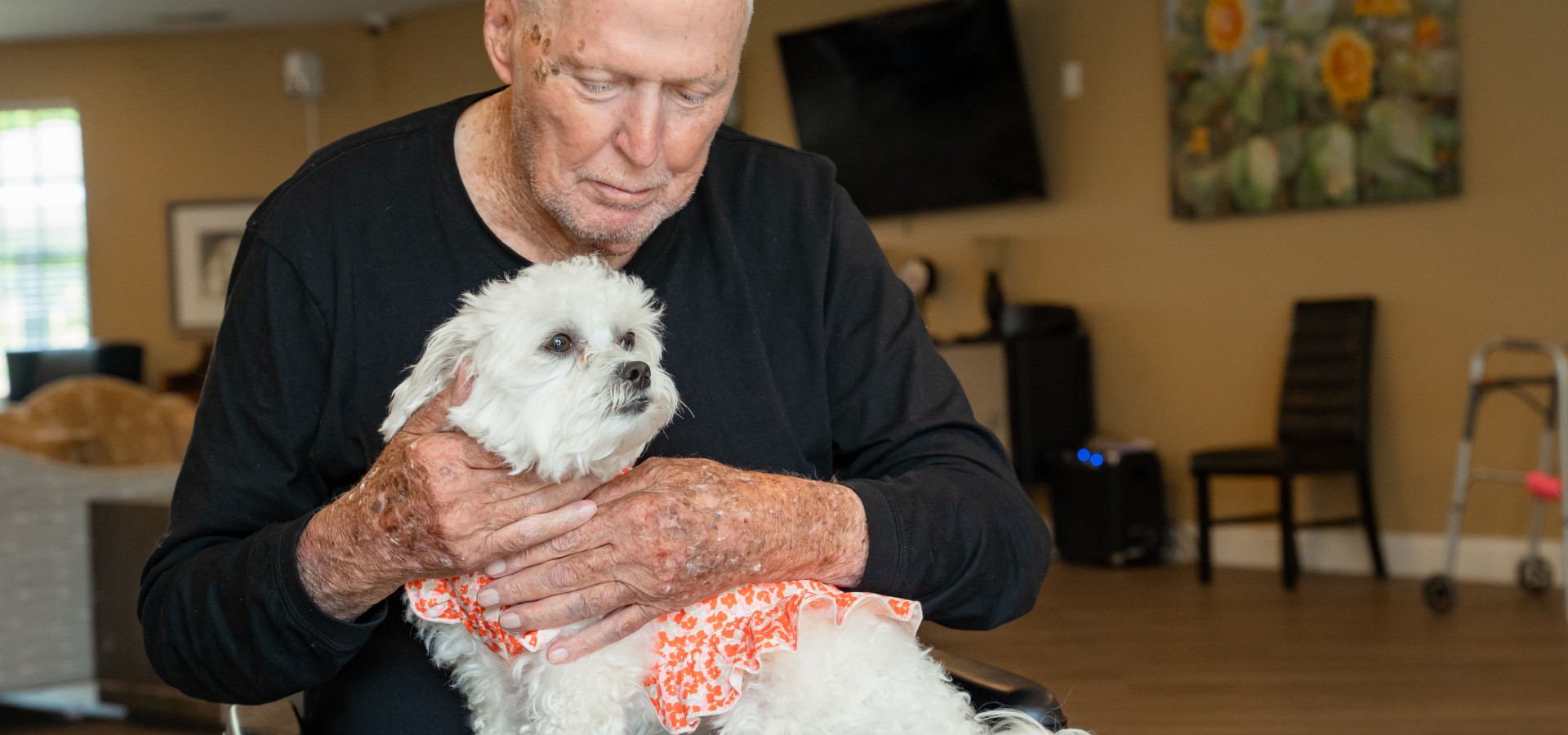
Discover How Validation Therapy Helps Seniors In Georgia With Alzheimer’s And Dementia.
At Manor Lake, we use Validation Therapy to help seniors with Alzheimer’s and other forms of memory loss feel understood, valued, and connected. This approach encourages emotional expression, meaningful interaction, and cognitive engagement—all within a compassionate, supportive environment tailored to each resident’s unique experiences.

What Is Validation Therapy?
Validation Therapy is a communication technique that allows caregivers to better relate to our Memory Care residents by connecting with residents where they are on life’s journey. For example, if a resident sees themselves as a 35-year-old working professional, then the caregiver joins the resident in their reality.
Joining the resident’s reality is accomplished by accepting the values and beliefs of the resident without confrontation. Trying to reorient a resident to “facts” is often confusing and unsuccessful for the resident. The caregiver is putting themselves in the shoes of the resident, not simply by trying to move an individual’s attention from one thing to another; it is also about validating feelings and emotions.
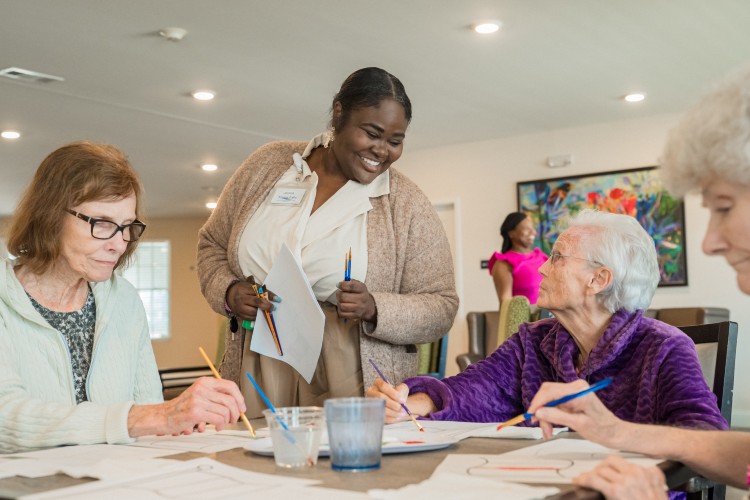

What is Validation Therapy used for?
Validation Therapy is used to treat the effects of cognitive decline associated with dementia, including Alzheimer’s Disease. It’s used to calm and reassure patients who may be re-experiencing intense memories as if they were reality.

Who practices Validation Therapy?
Validation Therapy can be used by caregivers and family alike. It’s a process or method for communicating with residents with dementia or other cognitive conditions. As a process, it can be learned and used by just about anyone.

When was Validation Therapy created?
Naomi Feil developed Validation Therapy over an extensive time period between 1960 and 1983. Feil grew up within an assisted living facility herself, which gave her a lifetime worth of experiences and research to draw from.
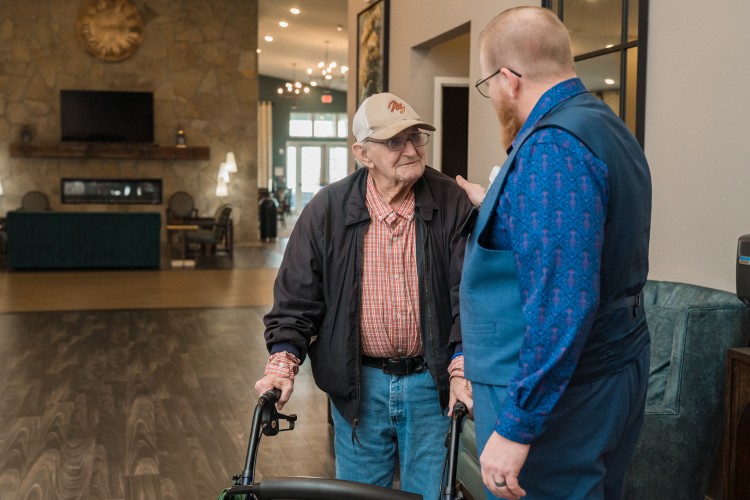
How Does Validation Therapy Work?
If a resident is distressed and wants to go to a home that no longer exists, a caregiver validates the emotion by saying, “You want to be safe at home. Tell me about that house,” rather than stating it’s gone.
Naomi Feil, who developed Validation Therapy, describes a multi-step approach to Validation Therapy for dementia that starts with the caregiver.
-
Center: The caregiver should take a moment to pause and breathe, allowing themselves to get centered and prepare to engage with empathy.
-
Reminisce: The caregiver can reminisce with the resident. They can ask about the home the resident wants to go back to and why they liked the house so much.
-
Examples: The caregiver can continue to ask questions about the need being expressed. This helps the resident to focus on the specifics and process the emotions behind the need.
-
Match Emotion: Caregivers practicing Validation Therapy should match the emotion of the resident. This can take the form of acknowledging the emotion of missing home, and wanting to return.
-
Rephrase: Restate the underlying feelings the resident is expressing. This demonstrates the respect between caregiver and resident and an acknowledgment that their feelings are heard and validated. That builds trust and reassurance.
Example of Validation Therapy in Action!
Validation Therapy has a place at Manor Lake because we see it deliver results. In both anecdotal and research settings, Validation Therapy for dementia shows promising effects for residents.
Resident, Aged 76 with Dementia…
A mother’s dementia began taking its toll on an entire household. An adult son trying to provide a comfortable home found himself as exhausted as his mother after spending the day trying to reorient her back to reality. What started as well-meaning efforts to correct his mother became living room shouting matches.
After getting her the care and Validation Therapy she needed, both mother and son saw great improvement. Conversations flowed more easily, stress went down, and our resident was able to engage more with the world around her; however, she found it.
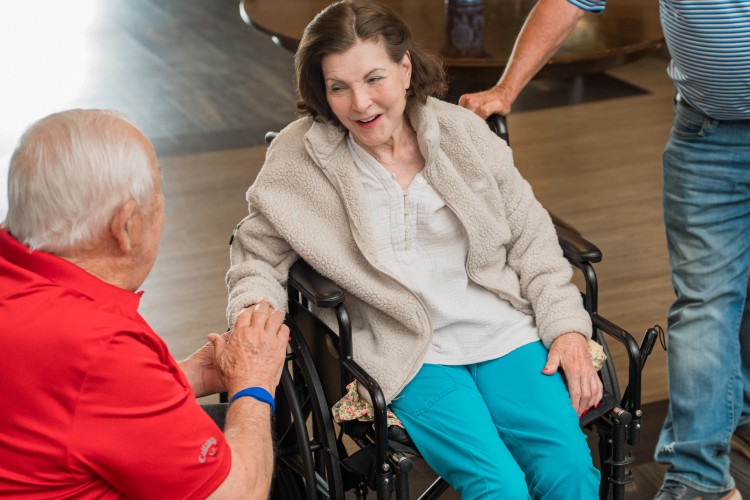


Validation Therapy – Frequently Asked Questions.
What is Validation Therapy?
Validation Therapy is a communication approach used in memory care that helps seniors feel understood and respected. It focuses on acknowledging their feelings and experiences rather than correcting them, fostering emotional connection and trust.
How does Validation Therapy benefit residents with memory loss?
This therapy helps reduce frustration, anxiety, and confusion by meeting residents where they are emotionally. It encourages meaningful interaction, emotional expression, and a sense of dignity and connection.
Who provides Validation Therapy at Manor Lake?
Our trained caregivers use Validation Therapy as part of our Memory Care program. They receive professional training to ensure every resident is supported with compassion, understanding, and personalized attention.
How does Validation Therapy for dementia help patients?
Validation Therapy helps reassure and calm residents through respect and empathy. By hearing and validating emotions, residents feel more secure and trust their caregivers more. These, in turn, help to reduce anxiety and stress among residents so they can enjoy each day a little more.
Is Validation Therapy scientifically supported?
Validation Therapy was first developed between the 1960s and 1980s. Since then, there haven’t been hundreds of trials and research studies like there are for pharmaceutical treatments. However, the studies and trials that do exist have shown promising results.
Do all memory care communities use Validation Therapy?
We can’t speak to every memory care community across the country. However, we expect that every memory care community committed to delivering the highest quality care does use Validation Therapy. At least, that’s why we use it here at Manor Lake.
When is Validation Therapy most effective?
Validation Therapy is most effective when it’s delivered with empathy and respect. When a resident knows that there’s genuine respect shown for their emotions, it can instill hope and restore elements of their humanity. It can help them feel safe and comfortable again.
The Manor Lake Experience:
Told by Residents and Families.
The most meaningful insight comes from those who have experienced it firsthand. Hear Manor Lake residents and families share their stories, perspectives, and reasons for choosing the community they call home.
Living at Manor Lake: Their Journey,
Their Words.
Living at Manor Lake: Their Stories,
Their Words.
How is Manor Lake Different?
All Independent Living, Assisted Living, and Memory Care communities are licensed by the state to provide pre-defined services. So, what separates one community from another? You’ll discover our communities are ultimately defined by the people who care for your loved ones.
Scheduling a tour is the best way to see the difference for yourself.